
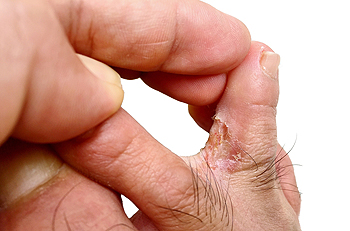
Athlete's foot, a common fungal infection, can typically be recognized by a variety of telltale symptoms. It often starts with intense itching and burning sensations between the toes or on the soles of the feet. As the infection progresses, the affected skin may become red, cracked, and blistered. In severe cases, it can cause the infected skin to peel or become excessively dry. Recognizing these symptoms is important for timely intervention. Treatment generally involves antifungal creams, powders, or sprays that target the fungus responsible for the infection. Maintaining good foot hygiene, keeping the feet dry, and avoiding walking barefoot in communal areas can aid in both treatment and prevention. Understanding and addressing athlete's foot promptly can bring relief and restore foot health. If you have developed a stubborn case athlete’s foot, it is suggested that you visit a podiatrist who can prescribe advanced medication and offer permanent treatment solutions.
Athlete’s Foot
Athlete’s foot is often an uncomfortable condition to experience. Thankfully, podiatrists specialize in treating athlete’s foot and offer the best treatment options. If you have any questions about athlete’s foot, consult with Barry P. Weinstein, DPM from Bellaire Podiatry. Our doctor will assess your condition and provide you with quality treatment.
What Is Athlete’s Foot?
Tinea pedis, more commonly known as athlete’s foot, is a non-serious and common fungal infection of the foot. Athlete’s foot is contagious and can be contracted by touching someone who has it or infected surfaces. The most common places contaminated by it are public showers, locker rooms, and swimming pools. Once contracted, it grows on feet that are left inside moist, dark, and warm shoes and socks.
Prevention
The most effective ways to prevent athlete’s foot include:
Symptoms
Athlete’s foot initially occurs as a rash between the toes. However, if left undiagnosed, it can spread to the sides and bottom of the feet, toenails, and if touched by hand, the hands themselves. Symptoms include:
Diagnosis and Treatment
Diagnosis is quick and easy. Skin samples will be taken and either viewed under a microscope or sent to a lab for testing. Sometimes, a podiatrist can diagnose it based on simply looking at it. Once confirmed, treatment options include oral and topical antifungal medications.
If you have any questions, please feel free to contact one of our offices located in Bellaire and Houston, TX . We offer the newest diagnostic and treatment technologies for all your foot care needs.
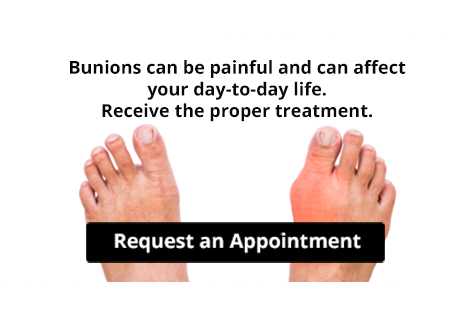
Have you noticed a bony protrusion on the side of your big toe? If so, you may have developed the foot condition known as a bunion. Don't let bunions interfere with your daily activities.
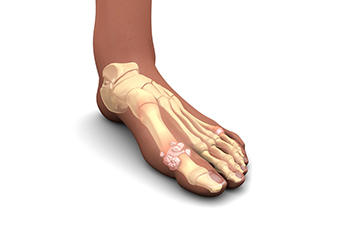
Gout, a type of arthritis characterized by sudden, severe joint pain and inflammation, has often been associated with men. However, it is important to recognize that women are not immune to this painful condition. While women have a lower overall risk of developing gout compared with men, certain factors can increase their susceptibility. One significant risk factor is age. Women are more likely to develop gout after menopause when estrogen levels drop. Hormonal changes can affect uric acid levels, contributing to the formation of gouty crystals in the joints. Additionally, obesity is a prominent risk factor for both genders. Women with a higher body mass index are more likely to develop gout, as excess weight can lead to elevated uric acid levels. Certain medications, such as diuretics or low-dose aspirin, can also raise the risk of gout in women. Genetics and a family history of gout may contribute to the development of this condition. If a woman has relatives with gout, her chances of developing the condition are higher. Maintaining a healthy lifestyle, managing weight, staying hydrated, and addressing underlying medical conditions can help reduce the risk of gout in women. If you would like more information about women developing gout, it is suggested that you consult a podiatrist who can provide you with the knowledge you are seeking.
Gout is a foot condition that requires certain treatment and care. If you are seeking treatment, contact Barry P. Weinstein, DPM from Bellaire Podiatry. Our doctor will treat your foot and ankle needs.
What Is Gout?
Gout is a type of arthritis caused by a buildup of uric acid in the bloodstream. It often develops in the foot, especially the big toe area, although it can manifest in other parts of the body as well. Gout can make walking and standing very painful and is especially common in diabetics and the obese.
People typically get gout because of a poor diet. Genetic predisposition is also a factor. The children of parents who have had gout frequently have a chance of developing it themselves.
Gout can easily be identified by redness and inflammation of the big toe and the surrounding areas of the foot. Other symptoms include extreme fatigue, joint pain, and running high fevers. Sometimes corticosteroid drugs can be prescribed to treat gout, but the best way to combat this disease is to get more exercise and eat a better diet.
If you have any questions please feel free to contact one of our offices located in Bellaire and Houston, TX . We offer the newest diagnostic and treatment technologies for all your foot and ankle needs.
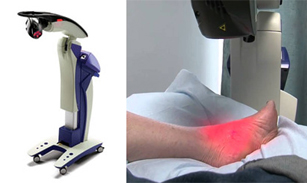
Achilles pain, often caused by conditions such as Achilles tendinitis or tendonitis, can be excruciating and debilitating. Fortunately, advances in medical technology have introduced therapeutic laser therapy as a promising treatment option for this common ailment. Therapeutic laser, also known as low-level laser, or cold laser therapy, utilizes specific wavelengths of light to penetrate deep into the tissues surrounding the Achilles tendon. This non-invasive procedure promotes cellular repair, reduces inflammation, and relieves pain without the need for surgery or medication. During a therapeutic laser session, a podiatrist will target the affected area with the laser device. The energy from the laser stimulates cellular activity, enhancing blood circulation and accelerating the body's natural healing process. This can effectively alleviate Achilles pain and discomfort over time. Additionally, therapeutic laser therapy is a painless and quick procedure with minimal side effects, making it a safe and viable option for individuals seeking relief from Achilles pain. It is essential to consult a podiatrist to determine if therapeutic laser therapy is suitable for your specific condition and to create a personalized treatment plan. With this innovative approach, many individuals can find lasting relief from Achilles pain and regain mobility and quality of life. If you are considering this form of treatment, it is strongly suggested that you speak to a podiatrist who can determine if this is the right choice for you.
MLS Laser Therapy is a successful alternative for treating any pain you may be experiencing related to certain podiatric conditions. If you are interested in MLS Laser Therapy, consult with Barry P. Weinstein, DPM from Bellaire Podiatry. Our doctor will assess your condition and provide you with quality foot and ankle treatment.
MLS Laser Therapy
Multiwave Locked System (MLS) Laser Therapy is a patented, FDA-cleared technology that helps relieve pain and inflammation from a number of podiatric conditions, including:
MLS Laser Therapy is an ideal alternative to surgery and prescription medication, as it has no negative side effects and encourages accelerated healing. Among its many clinical benefits, MLS Laser Therapy also:
If you have any questions, please feel free to contact one of our offices located in Bellaire and Houston, TX . We offer the newest diagnostic and treatment technologies for all your foot care needs.

It is generally safe for individuals to have outpatient foot and ankle surgeries at freestanding ambulatory surgery centers, a phenomenon becoming more common in the podiatry field. This trend offers cost savings and efficiency compared to traditional hospital settings. Because of unique postoperative challenges, it is necessary to make sure these facilities can handle such procedures. Foot and ankle surgeries can carry a higher risk of infection, with diabetes as a common comorbidity, and blood clots, perhaps from swift patient discharge. If you are facing foot surgery, it is suggested that you make an appointment with a podiatrist to see if outpatient surgery will work for you.
Foot surgery is sometimes necessary to treat a foot ailment. To learn more, contact Barry P. Weinstein, DPM of Bellaire Podiatry. Our doctor will assist you with all of your foot and ankle needs.
When Is Surgery Necessary?
Foot and ankle surgery is generally reserved for cases in which less invasive, conservative procedures have failed to alleviate the problem. Some of the cases in which surgery may be necessary include:
What Types of Surgery Are There?
The type of surgery you receive will depend on the nature of the problem you have. Some of the possible surgeries include:
Benefits of Surgery
Although surgery is usually a last resort, it can provide more complete pain relief compared to non-surgical methods and may allow you to finally resume full activity.
Surgical techniques have also become increasingly sophisticated. Techniques like endoscopic surgery allow for smaller incisions and faster recovery times.
If you have any questions please feel free to contact one of our offices located in Bellaire and Houston, TX . We offer the newest diagnostic and treatment technologies for all your foot and ankle needs.
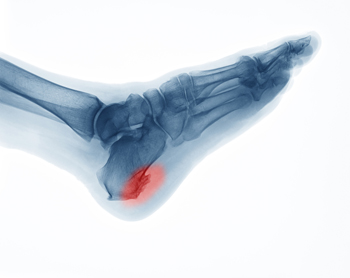
Heel spurs are bony protrusions on the underside of the heel bone that in some cases can cause discomfort and pain. It is generally believed that heel spurs form when calcium deposits accumulate over several months on the calcaneus, or heel bone. However, heel spurs can also be associated with other foot issues, such as plantar fasciitis, where inflammation of the tissue under the foot can contribute to their development. In addition, certain medical conditions like gout, rheumatoid arthritis, and ankylosing spondylitis, all of which damage the joints, can result in heel spurs. Risk factors of heel spurs include having flat feet, engaging in high-impact aerobic exercises, and aging, particularly among people over 62 years old. Obesity, overpronation, and wearing high heels can significantly raise the risk of heel spur development. In fact, younger women tend to have a higher incidence of heel spurs, possibly due to the use of high heels, which can impact foot biomechanics. If you're experiencing heel pain, especially if it's persistent, it's suggested that you make an appointment with a podiatrist for a proper diagnosis and tailored treatment plan.
Heel spurs can be incredibly painful and sometimes may make you unable to participate in physical activities. To get medical care for your heel spurs, contact Barry P. Weinstein, DPM from Bellaire Podiatry. Our doctor will do everything possible to treat your condition.
Heels Spurs
Heel spurs are formed by calcium deposits on the back of the foot where the heel is. This can also be caused by small fragments of bone breaking off one section of the foot, attaching onto the back of the foot. Heel spurs can also be bone growth on the back of the foot and may grow in the direction of the arch of the foot.
Older individuals usually suffer from heel spurs and pain sometimes intensifies with age. One of the main condition's spurs are related to is plantar fasciitis.
Pain
The pain associated with spurs is often because of weight placed on the feet. When someone is walking, their entire weight is concentrated on the feet. Bone spurs then have the tendency to affect other bones and tissues around the foot. As the pain continues, the feet will become tender and sensitive over time.
Treatments
There are many ways to treat heel spurs. If one is suffering from heel spurs in conjunction with pain, there are several methods for healing. Medication, surgery, and herbal care are some options.
If you have any questions feel free to contact one of our offices located in Bellaire and Houston, TX . We offer the latest in diagnostic and treatment technology to meet your needs.
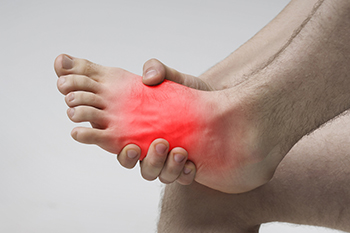
Extensor tendonitis is a common foot issue that causes discomfort across the top of the foot. This condition stems from irritation or inflammation of tendons that are critical for lifting the toes. Repetitive friction and pressure, often due to ill-fitting shoes, are common causes of extensor tendonitis. The primary tendons involved are the extensor hallucis longus, which lifts the big toe, and the extensor digitorum, for the other toes. Extending from lower leg muscles, these tendons cross the front of the ankle, span the upper foot, and attach to toe tips. Their limited protection renders them susceptible to injuries and leads to pain. Overuse or excessive pressure causes inflammation and swelling in these tendons. In time, this can weaken them and cause scarring that reduces flexibility and strength. Risk factors include tight shoes, prolonged weight-bearing, and calf muscle tightness. Pain from extensor tendonitis usually worsens with activity but subsides during rest. Common signs are swelling, tenderness, and bruising. If you are experiencing symptoms of extensor tendonitis, it is suggested that you make an appointment with a podiatrist for a diagnosis and the appropriate treatment options.
Foot Pain
Foot pain can be extremely painful and debilitating. If you have a foot pain, consult with Barry P. Weinstein, DPM from Bellaire Podiatry. Our doctor will assess your condition and provide you with quality foot and ankle treatment.
Causes
Foot pain is a very broad condition that could be caused by one or more ailments. The most common include:
Diagnosis
To figure out the cause of foot pain, podiatrists utilize several different methods. This can range from simple visual inspections and sensation tests to X-rays and MRI scans. Prior medical history, family medical history, and any recent physical traumatic events will all be taken into consideration for a proper diagnosis.
Treatment
Treatment depends upon the cause of the foot pain. Whether it is resting, staying off the foot, or having surgery; podiatrists have a number of treatment options available for foot pain.
If you have any questions, please feel free to contact one of our offices located in Bellaire and Houston, TX . We offer the newest diagnostic and treatment technologies for all your foot care needs.

If left untreated, an ingrown toenail can lead to more serious concerns, such as an infection. Knowing proper nail care can help in the prevention of an ingrown toenail. Give us a call, and get treated!

An ankle sprain can result in persistent pain and swelling despite rest and physical therapy. The location of the pain can indicate different issues. Frontal pain may suggest damage within the ankle joint or at the front of the ankle. Patients with joint surface injuries or front ankle problems typically experience discomfort during walking, running, or jumping activities, with increased pain on stairs or uneven surfaces. Lateral or side ankle pain may arise from synovitis, which is inflammation of the joint lining, due to a recent sprain, tendon tears, dislocation, or hidden fractures. Synovitis causes front ankle pain, worsening with activities like stair climbing and running, accompanied by swelling and reduced joint motion. Peroneal tendon tears usually manifest as delayed lateral ankle pain and swelling, aggravated by physical activity, especially on uneven terrain. Fractures can mimic sprains but require different treatments. Treatment for ankle sprains may include immobilization, medication, or surgery. If you have sprained your ankle, it is strongly suggested that you make an appointment with a podiatrist for a diagnosis and an individualized treatment plan.
Ankle pain can have many different causes and the pain may potentially be serious. If you have ankle pain, consult with Barry P. Weinstein, DPM from Bellaire Podiatry. Our doctor will assess your condition and provide you with quality foot and ankle treatment.
Ankle pain is any condition that causes pain in the ankle. Due to the fact that the ankle consists of tendons, muscles, bones, and ligaments, ankle pain can come from a number of different conditions.
Causes
The most common causes of ankle pain include:
Symptoms
Symptoms of ankle injury vary based upon the condition. Pain may include general pain and discomfort, swelling, aching, redness, bruising, burning or stabbing sensations, and/or loss of sensation.
Diagnosis
Due to the wide variety of potential causes of ankle pain, podiatrists will utilize a number of different methods to properly diagnose ankle pain. This can include asking for personal and family medical histories and of any recent injuries. Further diagnosis may include sensation tests, a physical examination, and potentially x-rays or other imaging tests.
Treatment
Just as the range of causes varies widely, so do treatments. Some more common treatments are rest, ice packs, keeping pressure off the foot, orthotics and braces, medication for inflammation and pain, and surgery.
If you have any questions, please feel free to contact one of our offices located in Bellaire and Houston, TX . We offer the newest diagnostic and treatment technologies for all your foot care needs.

Cycling offers numerous health benefits, including cardiovascular improvement, enhanced joint mobility, and strengthened leg muscles. However, cycling without the proper footwear also can strain your lower limbs. While regular running shoes are suitable for occasional cyclists, dedicated cyclists who spend hours daily on the road or in the gym require specialized cycling shoes. Orthotics can play a pivotal role in boosting cycling performance as they can help to increase pedal efficiency, enhance power output, and improve foot stability. They also can help to reduce foot fatigue, improve arch support, provide better metatarsal padding, and offer relief from plantar fascial tension. Custom-made shoe insoles are an important consideration for cycling enthusiasts with flat feet, supination, pronation issues, or specific conditions like plantar fasciitis. A podiatrist can make a set of orthotics designed to fit your unique foot structure, using custom molds that mirror the exact shape of the foot. For help with custom shoe inserts made specifically for cycling shoes, it is suggested that you make an appointment with a podiatrist.
If you are having discomfort in your feet and would like to try orthotics, contact Barry P. Weinstein, DPM from Bellaire Podiatry. Our doctor can provide the care you need to keep you pain-free and on your feet.
What Are Orthotics?
Orthotics are inserts you can place into your shoes to help with a variety of foot problems such as flat feet or foot pain. Orthotics provide relief and comfort for minor foot and heel pain but can’t correct serious biomechanical problems in your feet.
Over-the-Counter Inserts
Orthotics come in a wide variety of over-the-counter inserts that are used to treat foot pain, heel pain, and minor problems. For example, arch supports can be inserted into your shoes to help correct overarched or flat feet, while gel insoles are often used because they provide comfort and relief from foot and heel pain by alleviating pressure.
Prescription Orthotics
If over-the-counter inserts don’t work for you or if you have a more severe foot concern, it is possible to have your podiatrist prescribe custom orthotics. These high-quality inserts are designed to treat problems such as abnormal motion, plantar fasciitis, and severe forms of heel pain. They can even be used to help patients suffering from diabetes by treating foot ulcers and painful calluses and are usually molded to your feet individually, which allows them to provide full support and comfort.
If you are experiencing minor to severe foot or heel pain, it’s recommended to speak with your podiatrist about the possibilities of using orthotics. A podiatrist can determine which type of orthotic is right for you and allow you to take the first steps towards being pain-free.
If you have any questions please contact one of our offices located in Bellaire and Houston, TX . We offer the newest diagnostic and treatment technologies for all your foot and ankle needs.





 accessibility - Default